DAMP PROOFING & MOISTURE CONTROL

Damp Proofing in Bishop’s Stortford

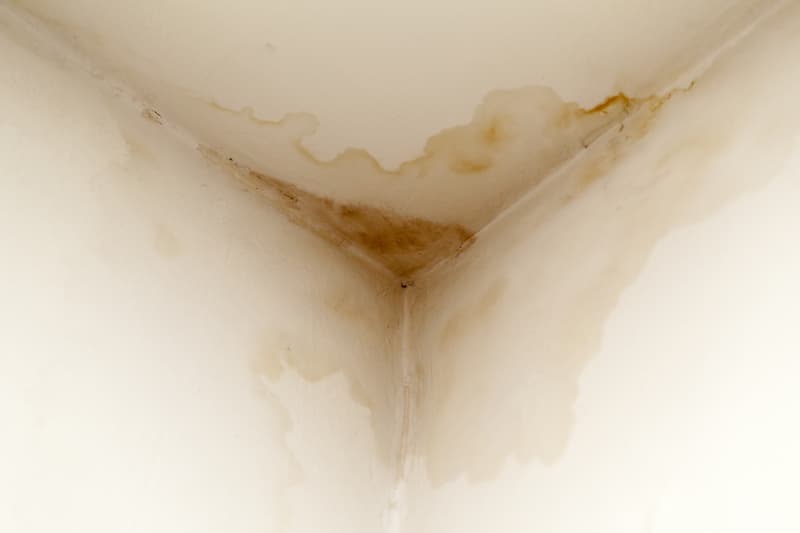
Properties around Bishop’s Stortford range from older town-centre buildings to later suburban homes. Their construction, exposure and maintenance history can all affect how moisture appears. A tide mark at the foot of a wall, mould around a cold window reveal or staining below a roofline should not automatically be treated as the same problem.

We help homeowners understand damp, investigate likely causes and consider practical remedial options suited to the building.

Damp proofing and moisture assessment
Cause-led assessmentPractical recommendationsLocal home improvement teamClear next steps

Understanding Damp in Bishop’s Stortford

In Bishop’s Stortford, the first useful step is to work out where moisture is entering or why it is collecting. We look at the position and spread of the affected area alongside external pointing, render, rainwater goods, ground levels, ventilation and any signs of plumbing leaks. This helps avoid treating a symptom while leaving its cause unresolved.

Older walls and ground levels

Older masonry, altered floors and changes to external ground levels can affect how moisture behaves at the base of a building. We consider the wall construction and surrounding levels before discussing any remedial work.

Rainwater and exposed elevations

Blocked gutters, leaking joints, damaged render and defective pointing can allow rainwater to reach internal surfaces. The location of staining and the condition of the outside wall help narrow down likely entry points.

Condensation in lived-in rooms

Mould around windows, cold corners and poorly ventilated rooms may be linked to condensation. Heating patterns, airflow and everyday moisture sources are relevant when deciding what improvements may help.

Identify the Cause Before Choosing a Treatment

Damp is a description of a symptom, not a diagnosis. Different sources need different responses, and more than one issue can sometimes be present in the same property.

  • Where the affected area appears and how far it extends
  • Whether staining follows rainfall or changes with seasons
  • The condition of gutters, downpipes, pointing and render
  • External ground levels and the junction between ground and walls
  • Ventilation, heating and signs of condensation
  • Possible plumbing leaks or other local sources of water

Why the distinction matters

Applying a treatment without understanding the moisture source can leave the underlying issue unresolved. We discuss the evidence first and explain whether the next step is a building repair, ventilation improvement, further investigation or a suitable damp-proofing measure.

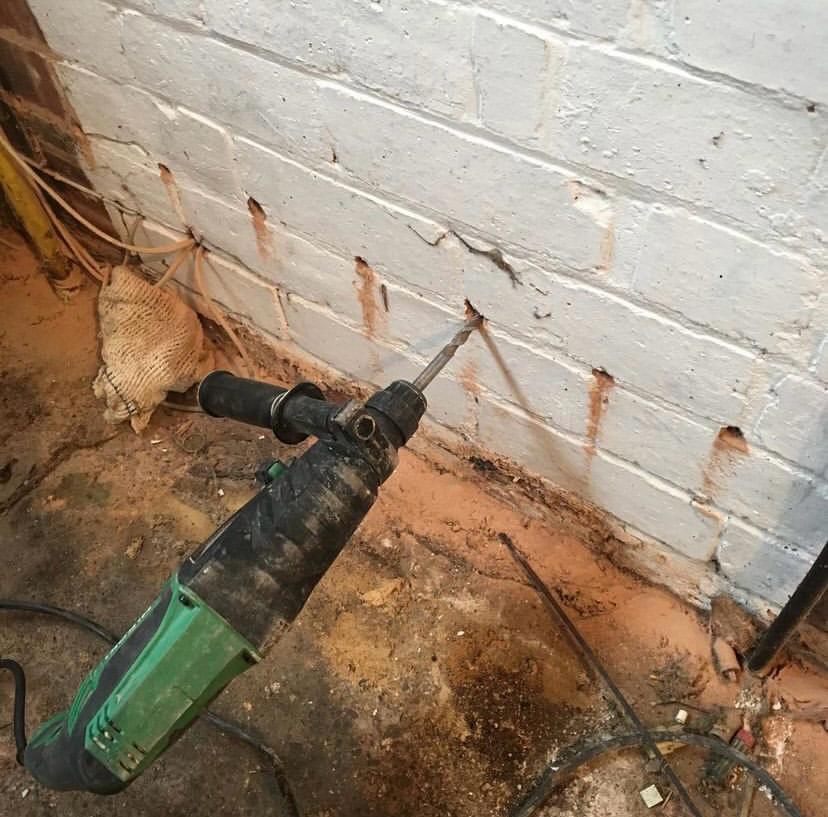
Example of damp-related property work

Common Moisture Problems We Consider

The visible signs can overlap, so the building and the location of the symptoms need to be considered together.

Rising Damp

Moisture may travel upwards through porous masonry where a damp-proof course is absent, bridged or no longer effective. A diagnosis should take account of the wall construction and other possible sources of moisture.

Penetrating Damp

Rainwater can enter through defective roof details, gutters, downpipes, pointing, render or external openings. The pattern of dampness and the condition of the exposed elevation can help identify the likely route.

Condensation

Warm moist air can condense on colder surfaces, particularly where ventilation is limited. Window mould and damp-feeling corners may need a different response from water entering through the fabric of the building.

How We Approach Damp Proofing Work

Recommendations should follow the findings at the property, not a fixed package of treatments.

01 — Discuss the symptoms

Tell us where the damp appears, how long it has been present and whether it changes after rainfall, cold weather or everyday use of the room.

02 — Consider the building

We look at the affected area alongside relevant internal and external details to help distinguish likely moisture sources.

03 — Agree suitable next steps

We explain the practical options, including repairs or moisture-control measures where appropriate, before work is agreed.

Damp Proofing Around Bishop’s Stortford

We also cover nearby communities including Thorley, Hockerill, Sawbridgeworth and Great Hallingbury. If your property is just outside these locations, contact us with your postcode and we can confirm whether we cover the area.

Discuss Damp in Your Bishop’s Stortford Property

If you have noticed damp patches, mould, peeling finishes or recurring moisture, speak to Bishops Home Improvements about the symptoms and the most sensible next step.

Call 07301 800750

Frequently Asked Questions

What causes damp in a Bishop’s Stortford property?

Possible causes include rainwater entering through external defects, plumbing leaks, condensation and rising damp. The source depends on the property and should be assessed before treatment is selected.

Does a damp patch near the floor always mean rising damp?

No. Leaks, external ground levels, salts and other moisture sources can produce similar marks. The position of the patch alone is not enough to confirm rising damp.

Can mould around windows be treated with damp proofing?

Window mould is often associated with condensation on cold surfaces. Ventilation, heating and moisture levels should be considered before deciding whether any building treatment is needed.

Do you cover areas near Bishop’s Stortford?

We cover Thorley, Hockerill, Sawbridgeworth and Great Hallingbury. Contact us with your postcode if you are unsure whether your property is within our service area.