

Damp Proofing in Abbots Langley
In Abbots Langley, damp symptoms can appear in very different parts of a home: low-level wall staining, discoloured plaster around an opening or mould in a room that struggles to dry out. These signs need to be read in context. The useful question is not simply how to cover the mark, but what is allowing moisture to reach or remain in that part of the building.
We can discuss the damp symptoms you have noticed at your Abbots Langley property and explain why the source needs to be identified before any treatment is selected.
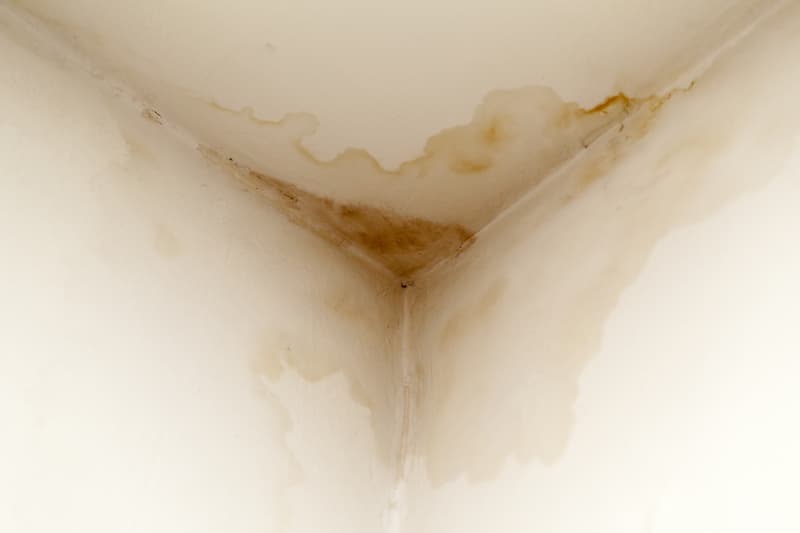
Assessing Damp in Abbots Langley
A property may be affected by more than one moisture source. We consider the position of the symptoms, the condition of the external envelope and the way the rooms are used. This helps separate rainwater penetration, plumbing defects, condensation and possible rising damp before any remedial option is discussed.
Low-level wall staining
Marks close to the floor can have several explanations, including ground-level bridging, leaks or rising moisture. Wall construction, external levels and the pattern of damage all need to be considered.
Rainwater getting through
Loose or damaged pointing, cracked render and leaking gutters can allow water into masonry. A repair to the external defect may be more appropriate than an internal treatment alone.
Rooms that stay damp
Condensation can persist where warm moist air meets cold surfaces and ventilation is limited. The room’s use, airflow and heating pattern can help explain recurring mould.
What We Check Before Recommending Work
An assessment considers the pattern of staining, the condition of the wall and nearby building details, rather than relying on the appearance of one patch.
- The location, extent and pattern of the affected area
- Whether the marks change after rainfall or during colder weather
- External pointing, render, roof edges, gutters and downpipes
- Ground levels and the junction between the wall and surrounding surfaces
- Possible plumbing leaks and sources of internal moisture
- Ventilation and cold surfaces that may contribute to condensation
Choose treatment to suit the cause
A property may be affected by more than one moisture source. We consider the position of the symptoms, the condition of the external envelope and the way the rooms are used. This helps separate rainwater penetration, plumbing defects, condensation and possible rising damp before any remedial option is discussed. The right next step may be an external repair, a plumbing investigation, improved ventilation, plaster repairs after the source is resolved or a suitable damp-proofing treatment. Not every property needs the same work.
Different Causes Need Different Responses
Staining near the floor, damp around an external wall and condensation on a cold surface can look similar at first. Each has a different cause and may need a different response.
Rising Damp
Where moisture is travelling up through masonry, the damp-proof course may be absent, bridged or no longer effective. We consider the wall construction and any changes to ground or floor levels before reaching a conclusion.
Penetrating Damp
Water entering from outside may be linked to defective pointing, render, roof junctions, rainwater goods or a poorly sealed opening. The source needs to be located and addressed before internal finishes are repaired.
Condensation
Persistent condensation can be associated with cold surfaces and limited air movement. We consider ventilation, heating patterns and how moisture is produced in the room before suggesting any building work.
A Clear Process for Damp Proofing
Our first step is to understand what is causing the damp and then explain which measures, if any, are appropriate for the property.
Tell us which wall or room is affected, whether the marks are close to floor level and if they become worse after rainfall or during colder periods.
We consider the affected wall alongside nearby external details, the floor level and any visible signs that could help distinguish rising damp from water entering elsewhere.
Once the likely cause has been considered, we can explain whether repairs to the exterior, changes to moisture management or specialist damp treatment may be appropriate.
Damp Proofing Near Abbots Langley
We also cover Kings Langley, Garston, Leavesden and Bedmond. If you are nearby but do not see your location listed, contact us with your postcode to check coverage.
Talk to Us About Damp in Your Abbots Langley Home
If you have noticed low-level staining, damaged plaster or mould in your Abbots Langley home, contact us to discuss what you are seeing and how it may be investigated.
Call 07301 800750Frequently Asked Questions
How do I know what is causing damp in my property?
Low-level staining can be influenced by the damp-proof course, bridging, external ground levels, leaking services or rainwater entering the wall. We consider these possibilities together before identifying the likely source.
Does damaged plaster mean I need a damp-proof course?
Plaster damage does not automatically mean rising damp. A leak, penetrating moisture or condensation can also affect plaster, so the source should be established before deciding whether it needs to be removed or replaced.
Can condensation cause mould even when there is no leak?
Condensation can form when warm, moisture-laden air meets a colder surface. Inadequate ventilation and cold external walls may contribute, so the room's use and airflow need to be considered.
Do you cover villages around Abbots Langley?
We cover Kings Langley, Garston, Leavesden and Bedmond. Contact us with your postcode if you would like us to confirm whether your property is within our service area.