Rising Damp
Moisture near the base of a wall may be linked to a bridged or damaged damp-proof course, but other causes can look similar. The wall and surrounding ground levels should be checked before treatment is selected.

Great Amwell’s mix of older properties, extended homes and newer developments means damp symptoms need to be assessed in context. Marks on walls, peeling paint or persistent musty smells can have several causes, so identifying the source is the sensible first step.
Bishop’s Home Improvements can discuss moisture problems affecting homes in Great Amwell and help you consider practical next steps based on the property’s condition and the signs you have noticed.
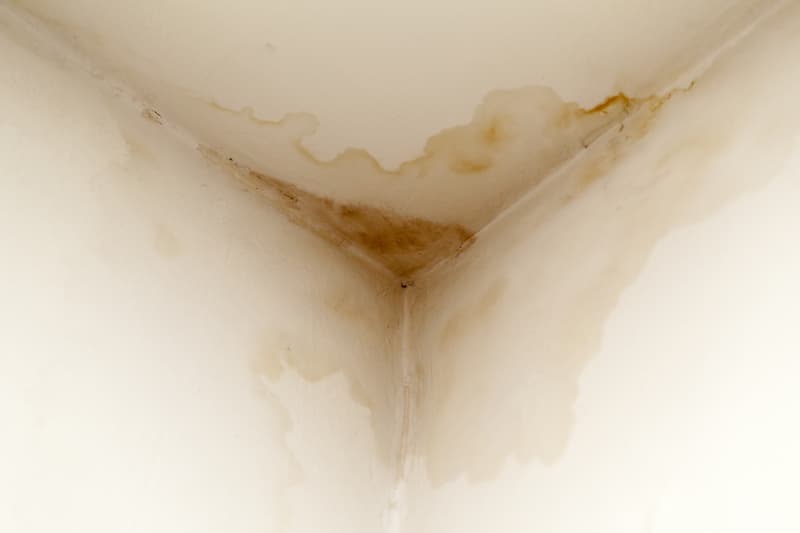
Damp is a description of a symptom, not a diagnosis. The right response depends on where moisture is entering or collecting and what is happening around the affected part of the building.
Moisture near the base of a wall may be linked to a bridged or damaged damp-proof course, but other causes can look similar. The wall and surrounding ground levels should be checked before treatment is selected.
Rainwater can enter through defects in pointing, render, roofline details, gutters or external openings. Finding and correcting the route of entry is important before repairing internal finishes.
Moisture from everyday activities can collect on cold surfaces where ventilation or airflow is limited. Recurring mould may need a different response from damp caused by water entering through the structure.
Homes in Great Amwell vary in age, construction and maintenance history. A useful assessment considers the visible symptoms alongside the building details that may be contributing to them.
A new damp-proof course is not the answer to every damp problem. Condensation, plumbing leaks, rain penetration and bridged courses require different responses, and appearance alone cannot reliably confirm the cause.
Once the source has been addressed, affected plaster or decoration can be assessed for appropriate repair as the materials dry.
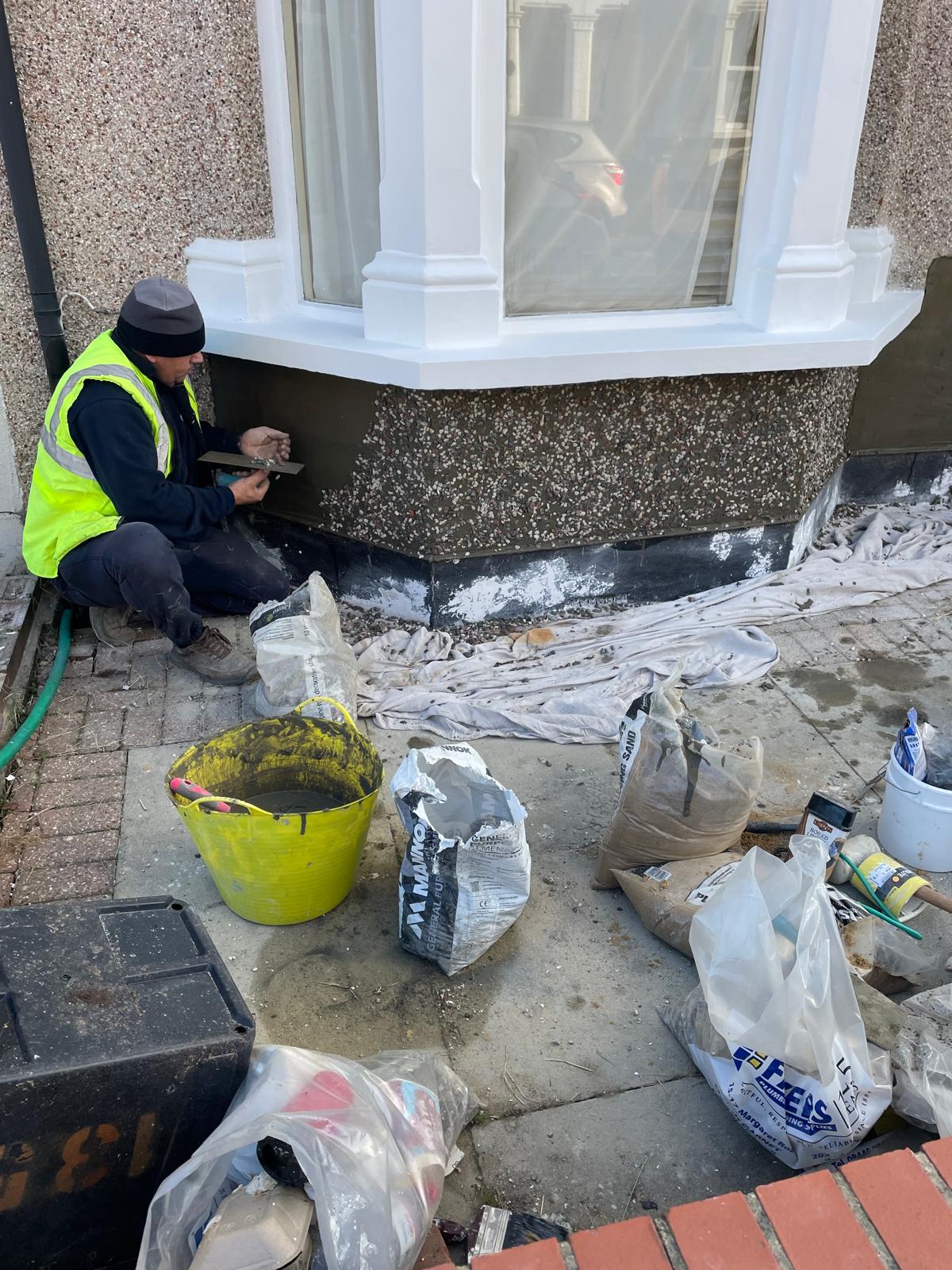
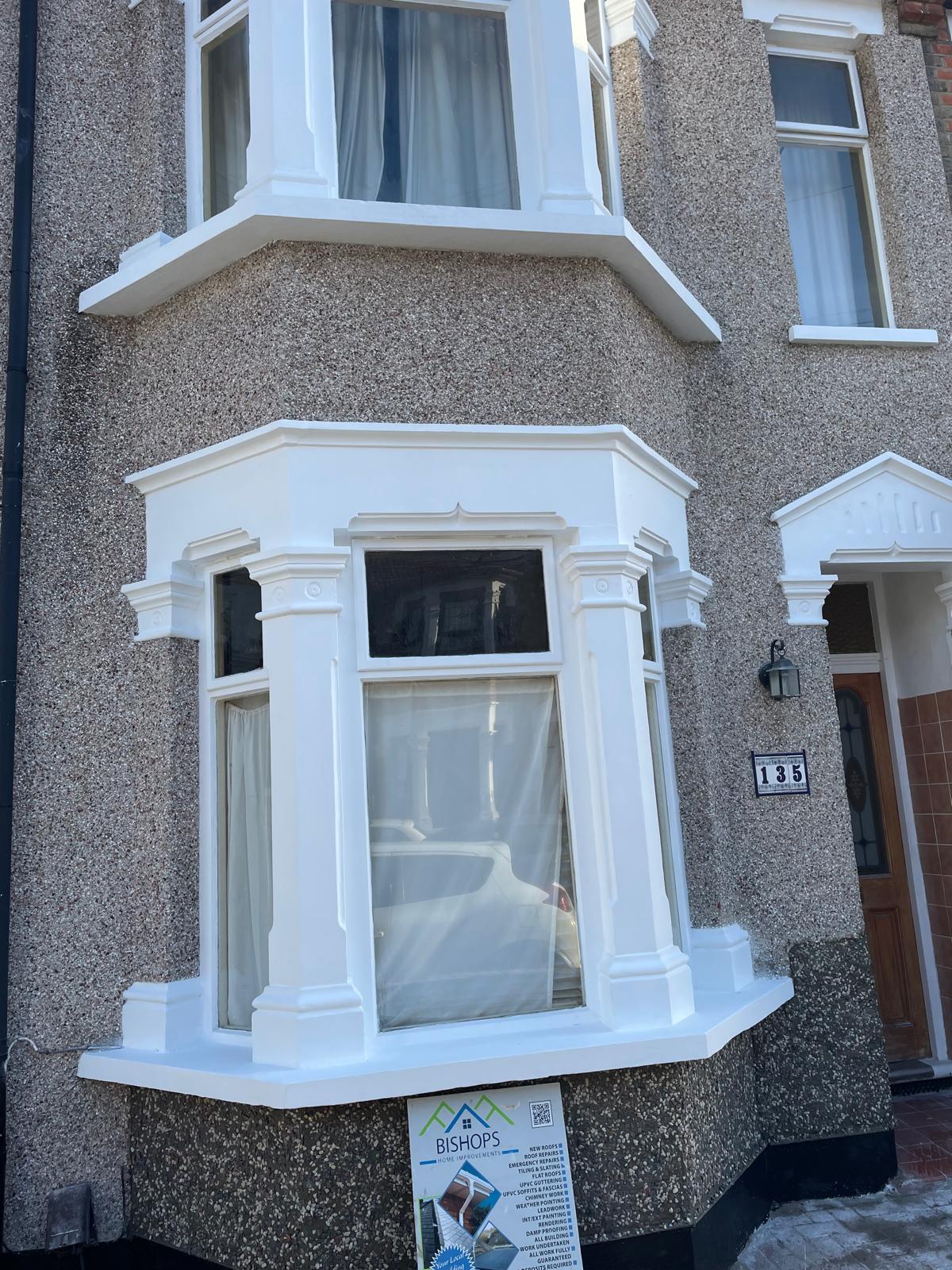
These photographs are retained from the original Great Amwell page as examples of damp-related work and affected areas.
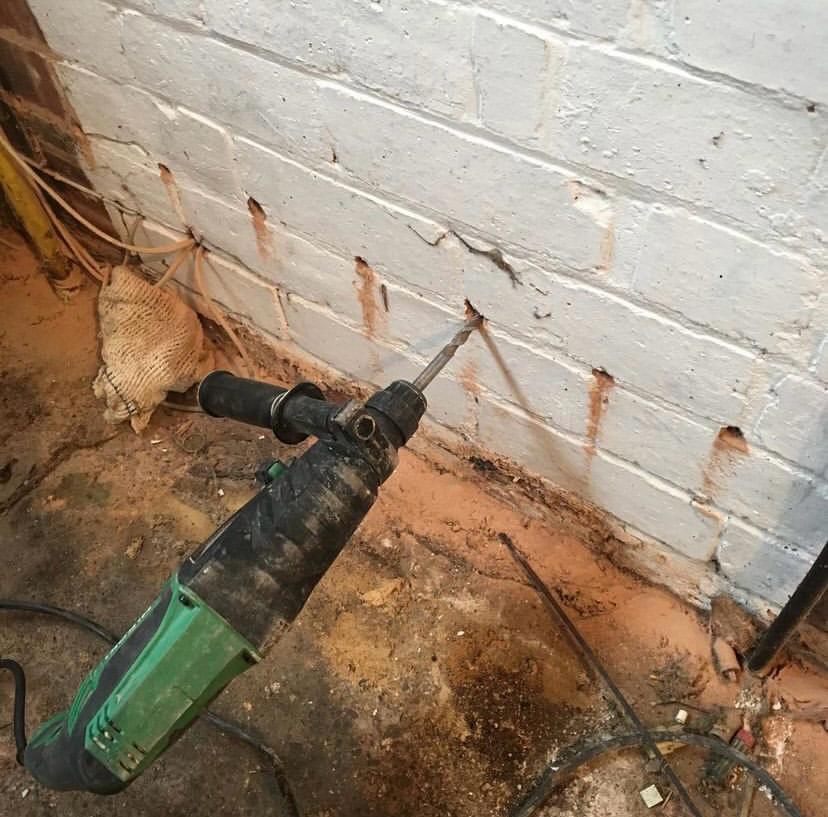
The original photographs below show the affected area beneath a bay window before and after remedial work.
Every property is different. The aim is to understand the likely source of moisture and agree sensible next steps.
Explain where you have noticed damp, when it appears and whether the walls, plaster or external areas have changed.
Review the affected areas and relevant building details to identify likely sources and whether further investigation is needed.
Discuss suitable remedial options and a quote before deciding how to proceed. The work should fit the cause, not just the visible mark.
Helpful answers to common questions about moisture problems in homes.
Possible signs include damp patches, peeling paint, salt deposits, damaged plaster, mould growth and persistent musty smells. These symptoms can have several causes and should be assessed in context.
No. A damp-proof course is relevant to some rising-damp cases, but condensation, penetrating water, leaks and bridged courses need different approaches. The source should be investigated first.
Yes, moisture and staining can be misleading. The location and appearance of a mark alone cannot reliably confirm rising damp.
Not necessarily. Masonry and plaster can take time to dry, and salt-contaminated or damaged finishes may need further attention.
Bishop’s Home Improvements covers a range of locations across Essex, Hertfordshire and North London. Contact us with your town and a brief description of the issue to check suitability.
Call 07301 800750 or use the free quote page to tell us about the damp problem and the property location.
We also work across nearby communities and wider areas. Explore related local pages or view all areas covered.
Talk to Bishop’s Home Improvements about the signs you have noticed and options for investigating the cause. Contact us for practical advice and a free quote enquiry.
Tell us about your home improvement project. We’ll be happy to discuss your requirements and provide a free, no-obligation quote.

Quality home improvement services for homes and businesses across Essex, Hertfordshire and London. Contact our team to discuss your project and request a free quote.
01992 842477
07301 800750
info@bishopshomeimprovements.com
Serving Essex, Hertfordshire & London
© 2026 Bishop’s Home Improvements. All rights reserved. | Sitemap | Website by Low Cost Web Designs