Rising Damp
At a Knebworth property, compare low-level staining with the existing damp-proof course, floor level and outside ground. Raised paving, bridging or leaks can produce similar marks, so check the source before specifying treatment.

In Knebworth, damp symptoms can range from lower-wall staining to discolouration around openings or mould in poorly ventilated rooms. We assess the signs in context before discussing suitable remedial work.
We compare the affected area with external wall condition, ground levels, rainwater fittings and indoor humidity, checking for possible leaks where the position suggests them.
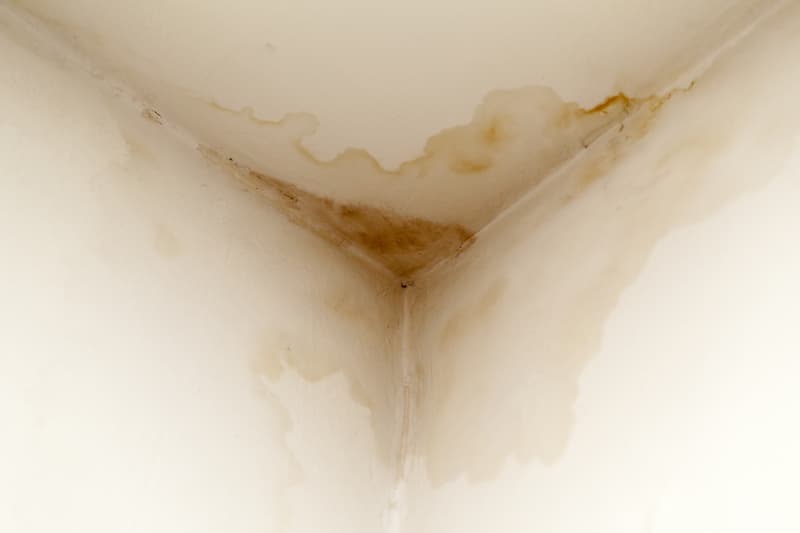
In Knebworth, the source should be established before a damp-proof course or other treatment is specified, as different moisture problems can produce similar marks on internal walls.
At a Knebworth property, compare low-level staining with the existing damp-proof course, floor level and outside ground. Raised paving, bridging or leaks can produce similar marks, so check the source before specifying treatment.
Rain may enter through defective pointing, render, roof junctions, brickwork or rainwater fittings. In Knebworth, inspect the outside area that corresponds with the internal damage and correct the entry point before repairing the finish.
Moisture from everyday activities can settle on cold surfaces when ventilation is limited. In Knebworth, check extraction and airflow in the affected rooms before assuming mould or staining is caused by water entering the structure.
For a Knebworth window, check the frame seal, sill, surrounding pointing and masonry joints. Staining after rainfall may indicate water penetration, while condensation on a cold reveal needs a different remedy.
Salt deposits, blistered paint and loose plaster may remain after the source has been corrected. At a Knebworth home, allow for drying and assess the affected plaster before planning new internal finishes.
The right response in Knebworth depends on the diagnosis. It may involve an external repair, fixing a leak, improving ventilation or a damp-proofing measure where rising damp is confirmed.
For a Knebworth property, we compare the location of the symptoms with the outside wall, ground levels, rainwater details and indoor conditions before recommending work.
A damp-proof course is not the answer to every damp issue. Condensation, plumbing leaks, rain penetration and bridging of an existing course need different responses. If the cause is uncertain, further investigation may be needed before treatment is agreed.
We explain the Knebworth findings, including the likely source of moisture, any uncertainties and whether further checks are advisable before treatment is selected.
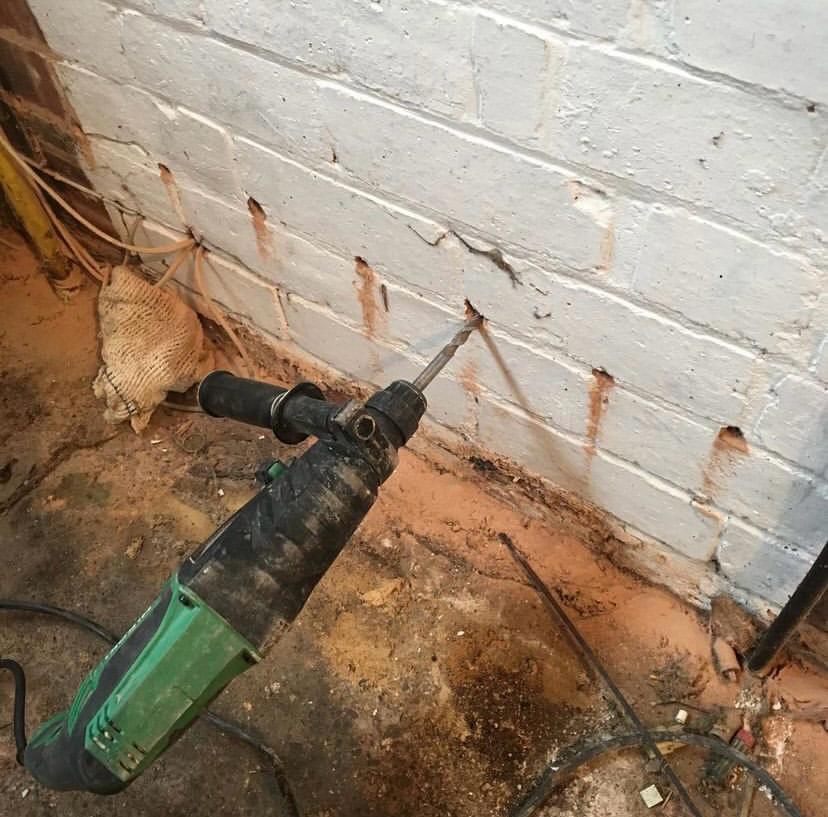
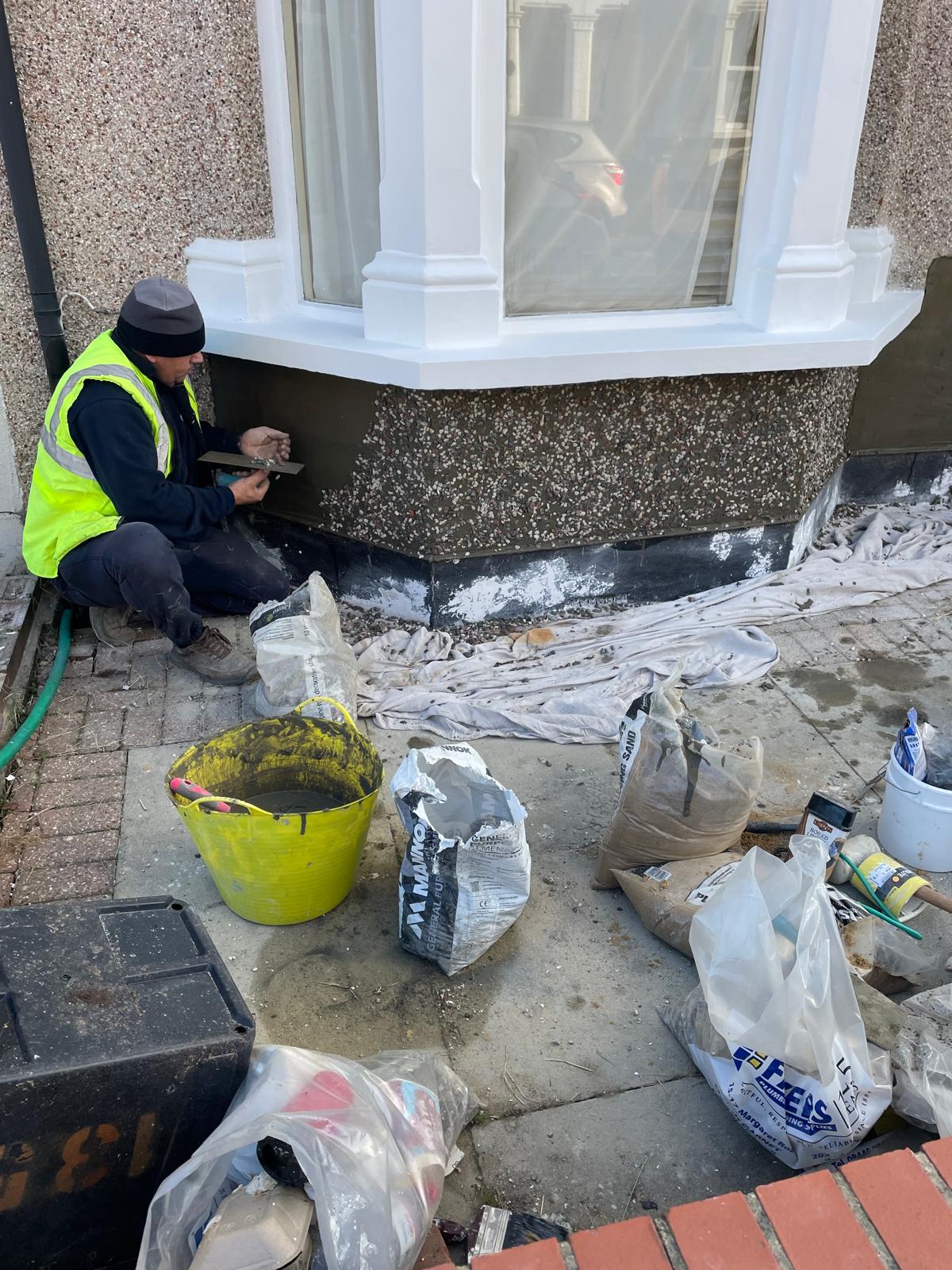
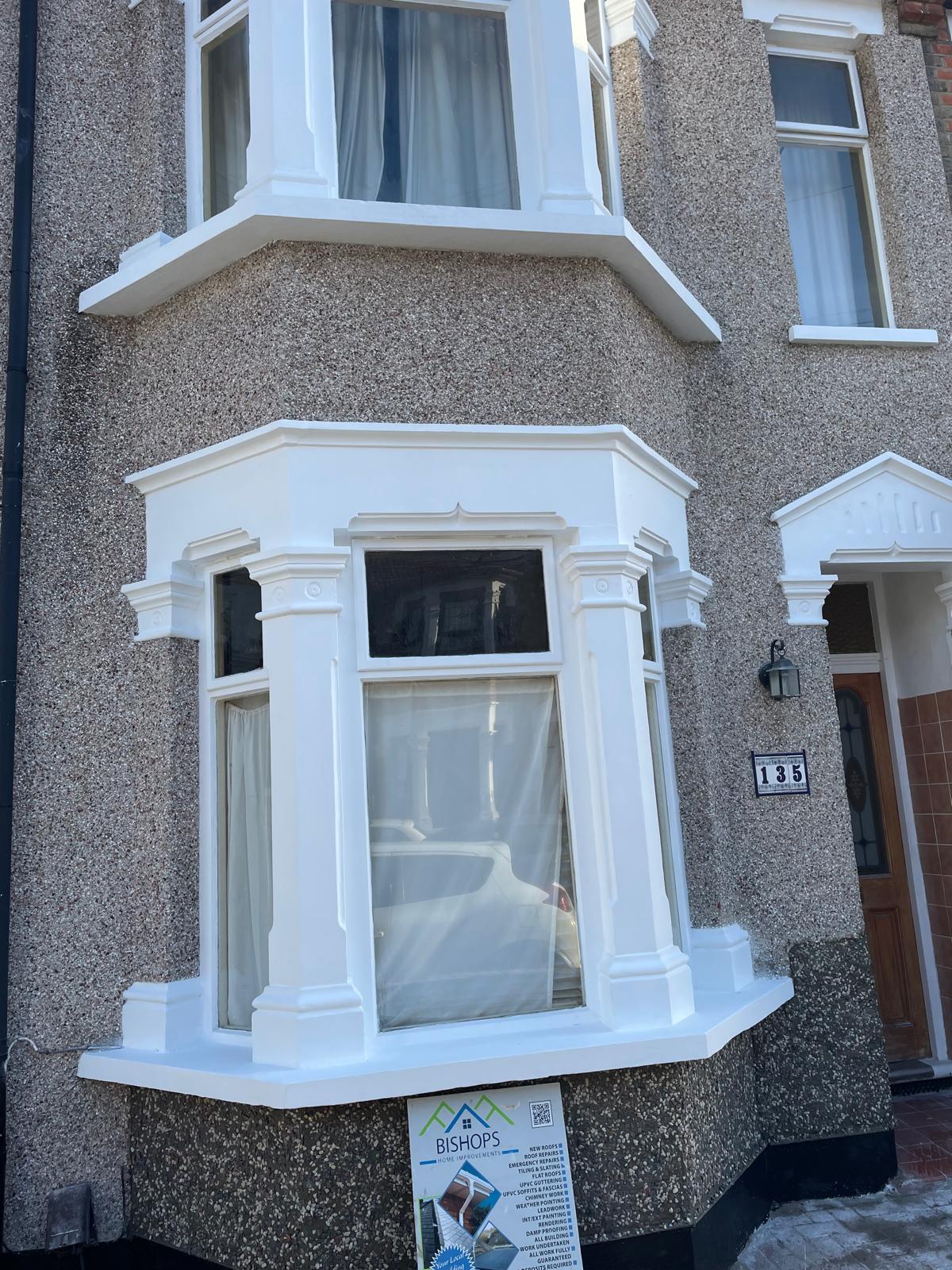
The photographs are general portfolio examples of damp-related work and provide visual context for the types of affected areas that may need attention in Knebworth.
The bay-window before-and-after images show one example from the portfolio and are not presented as a project carried out in Knebworth.
The practical next step in Knebworth is to resolve the moisture source first, allow the wall to dry where needed and then assess any plaster or decorative repairs.
Tell us which room or wall in your Knebworth home is affected, when you noticed the marks and whether they change after rain or colder weather.
Check the external wall and nearby details, including pointing, render, roof junctions, window seals and rainwater fittings. Consider plumbing and ventilation where relevant.
Outline the likely cause, the repairs that would address it and any additional checks or drying time. Provide a clear quote for the proposed scope before proceeding.
The video below offers further information about damp-related issues and the checks that may be relevant to a Knebworth property.
Answers to common questions about damp and moisture problems in homes.
In Knebworth, signs of damp can include staining, peeling paint, white salt deposits, damaged plaster, mould or a persistent musty smell. The location and spread of the symptoms help guide the checks.
A new damp-proof course should only be considered in Knebworth where rising damp is supported by the evidence. Check the existing course, ground levels, external defects and possible leaks before choosing treatment.
Condensation can leave mould or dark marks on cold walls and window reveals. In Knebworth, review ventilation and indoor moisture alongside the external wall condition before concluding that rising damp is present.
The wall may need time to dry after the source is corrected. At a Knebworth property, assess salt deposits and damaged plaster before deciding whether replastering or redecoration is required.
For a Knebworth property, send us the postcode and explain where the damp is appearing. We can confirm whether the address is covered and advise on arranging an inspection.
Call 07301 800750 or use the free quote page to tell us about the damp problem and the property location.
Knebworth is one of the locations covered by our damp-proofing service. The linked areas below show other established pages; contact us if you need a specific postcode checked.
Talk to Bishop’s Home Improvements about the signs you have noticed and the options for investigating the cause. Contact us for practical advice and a free quote enquiry.
Tell us about your home improvement project. We’ll be happy to discuss your requirements and provide a free, no-obligation quote.

Quality home improvement services for homes and businesses across Essex, Hertfordshire and London. Contact our team to discuss your project and request a free quote.
01992 842477
07301 800750
info@bishopshomeimprovements.com
Serving Essex, Hertfordshire & London
© 2026 Bishop’s Home Improvements. All rights reserved. | Sitemap | Website by Low Cost Web Designs