Rising Damp
Moisture may travel up through masonry where a damp-proof course is missing, bridged or no longer effective. Possible clues include staining and damaged finishes near the base of a wall, although these signs can have other causes.

Damp marks in a Toot Hill property can have more than one explanation, from water entering through external defects to moisture forming indoors. We help assess the signs and talk through appropriate remedial options.
The location of staining and the condition of pointing, render, rainwater fittings and ventilation help identify which causes need further investigation.
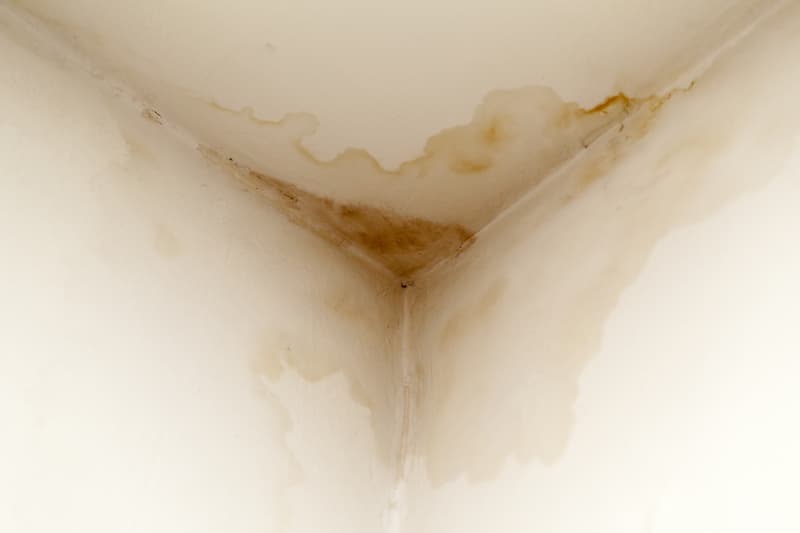
For a Toot Hill property, we first compare the position of the damp with the outside wall, ground level and room conditions to narrow down whether water is entering or condensation is forming. We use the location and pattern of the symptoms to guide those checks.
Moisture may travel up through masonry where a damp-proof course is missing, bridged or no longer effective. Possible clues include staining and damaged finishes near the base of a wall, although these signs can have other causes.
Rainwater can enter through defective pointing, cracked render, damaged brickwork, faulty guttering or other external defects. Tracing and addressing the entry point is an important part of a lasting repair.
Moist indoor air can condense on cold surfaces, especially in bathrooms, kitchens and poorly ventilated rooms. Improving ventilation and reducing excess humidity may be more appropriate than installing a damp-proof course.
Water around a bay window or opening may relate to failed seals, cracks, pointing or defects where materials meet. The detail should be checked before deciding on remedial work.
Blown plaster, flaking paint and salt contamination can remain visible after the source of damp has been dealt with. Repairs should be planned around the condition of the wall and the underlying cause.
Depending on the findings, suitable work may involve a damp-proof course, membrane, localised masonry repairs, external maintenance or improvements to ventilation. Not every property needs every measure.
A careful assessment helps separate the visible symptoms from the source of moisture. We can discuss the affected areas, signs around the property and practical next steps.
For Toot Hill homes, the assessment should focus on the pattern of moisture and the condition of the affected building fabric, including external joints and rainwater fittings. Treatment should address the identified source rather than the visible mark alone.
We aim to explain the options clearly so you can make an informed decision about the work your home actually requires.
These photographs from the original page have been retained as examples of damp-related work and the affected area around a bay window.
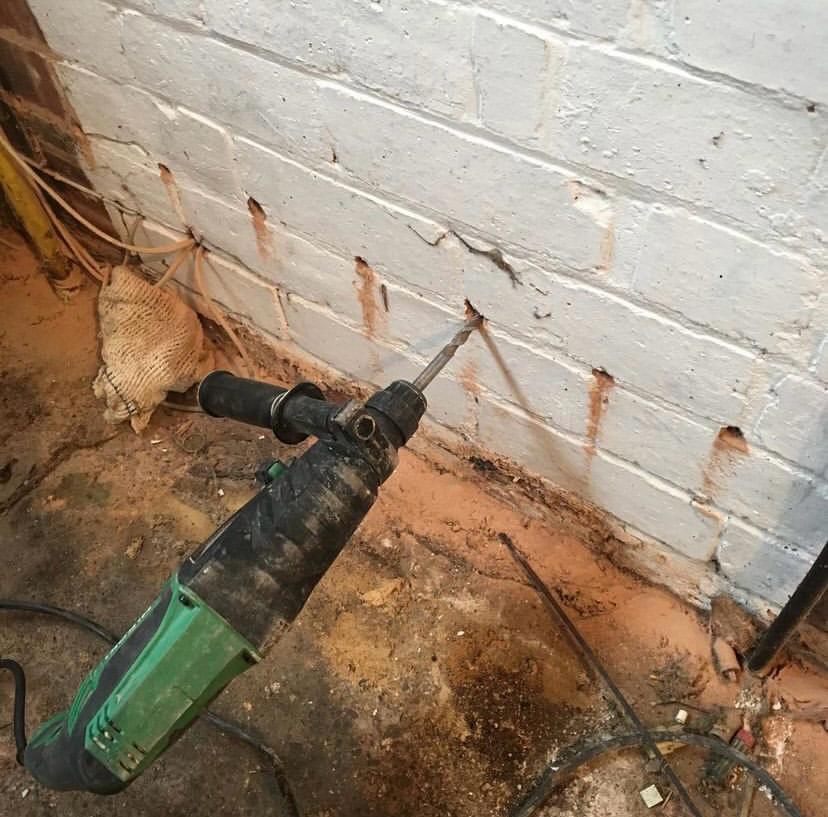
The original before-and-after photographs are shown below. They relate to dampness that was affecting the area beneath a bay window.
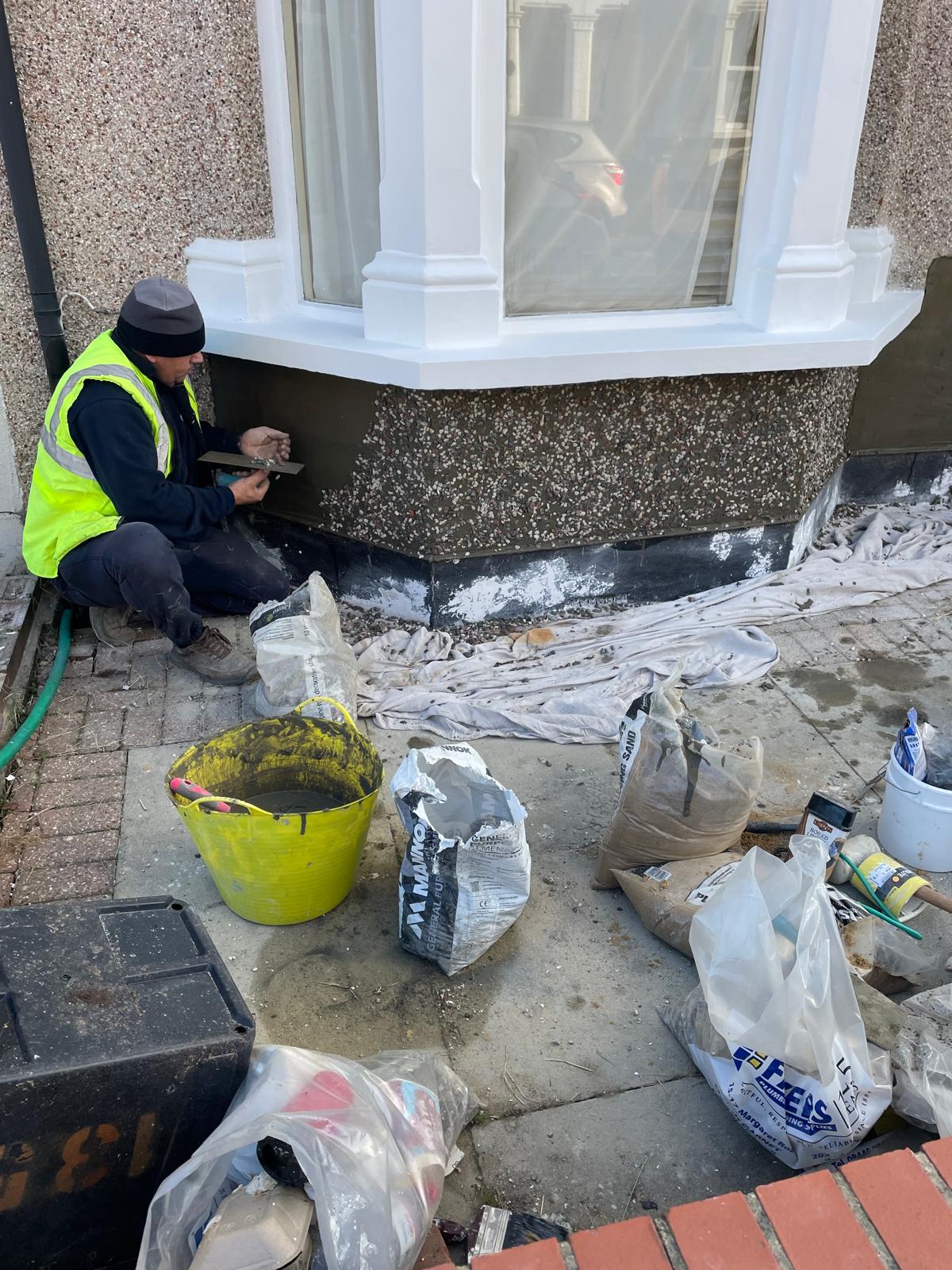
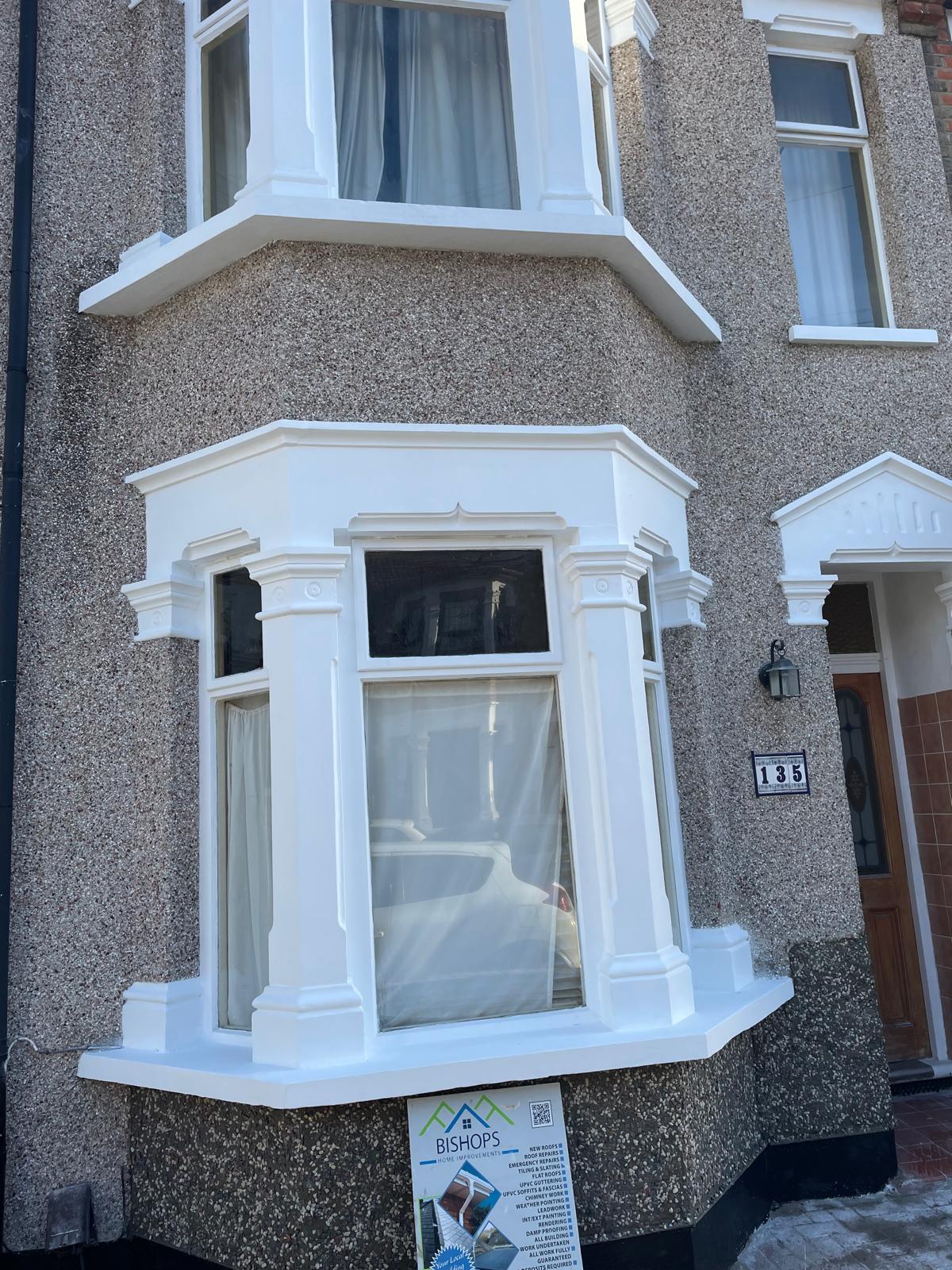
Every property is different, but the aim is always to understand the problem and agree sensible next steps.
Tell us where you have noticed damp, when it appears and whether you have seen any changes to the walls, plaster or external areas.
Review the affected areas and relevant building details to help identify likely sources and whether further investigation is needed.
Discuss appropriate remedial options and a quote before deciding how to proceed. The recommended work should fit the cause, not just the visible mark.
For further context, the original page’s video content is retained below.
Answers to common questions about damp and moisture problems in homes.
Possible signs include damp patches, peeling or blistering paint, salt deposits, damaged plaster, mould growth and persistent musty smells. These symptoms can have several causes, so they should be assessed in context.
No. A damp-proof course is relevant to some rising-damp cases, but condensation, penetrating water, leaks and bridged courses require different approaches. The source should be investigated first.
Moisture from condensation can cause staining and mould, and other defects can also affect the lower part of a wall. Appearance alone cannot reliably confirm rising damp.
Not necessarily. Masonry and plaster can take time to dry, and salt-contaminated or damaged finishes may need further attention once the moisture source has been addressed.
Bishop’s Home Improvements covers a range of locations across the surrounding areas. Contact us with your town and a brief description of the issue to check suitability for your project.
Call 07301 800750 or use the free quote page to tell us about the damp problem and the property location.
We work across a broad local area, including towns in the surrounding areas. Visit the areas page or choose one of the established local damp-proofing pages below.
Talk to Bishop’s Home Improvements about the signs you have noticed and the options for investigating the cause. Contact us for practical advice and a free quote enquiry.
Tell us about your home improvement project. We’ll be happy to discuss your requirements and provide a free, no-obligation quote.

Quality home improvement services for homes and businesses across Essex, Hertfordshire and London. Contact our team to discuss your project and request a free quote.
01992 842477
07301 800750
info@bishopshomeimprovements.com
Serving Essex, Hertfordshire & London
© 2026 Bishop’s Home Improvements. All rights reserved. | Sitemap | Website by Low Cost Web Designs