Identify the Cause Before Choosing a Treatment
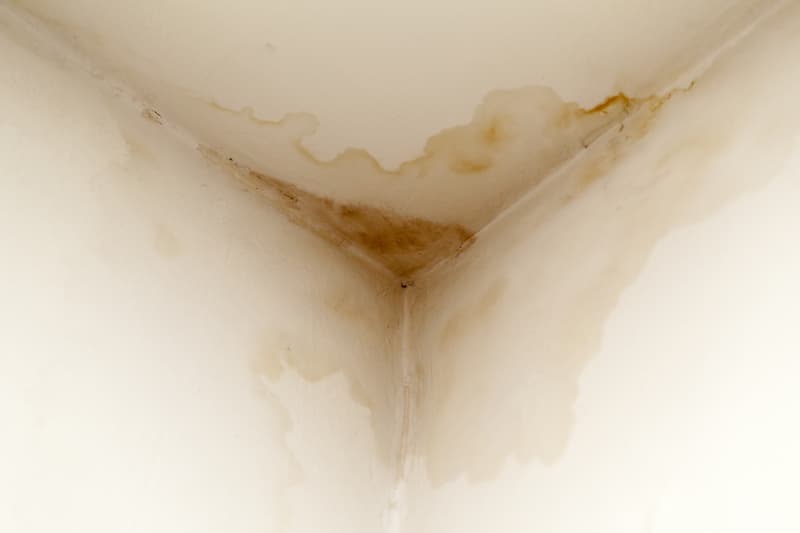
Damp is a description of a moisture problem, not a diagnosis on its own. The right repair depends on where the water is coming from, how it is entering the building and what condition the surrounding materials are in.
Rising Damp
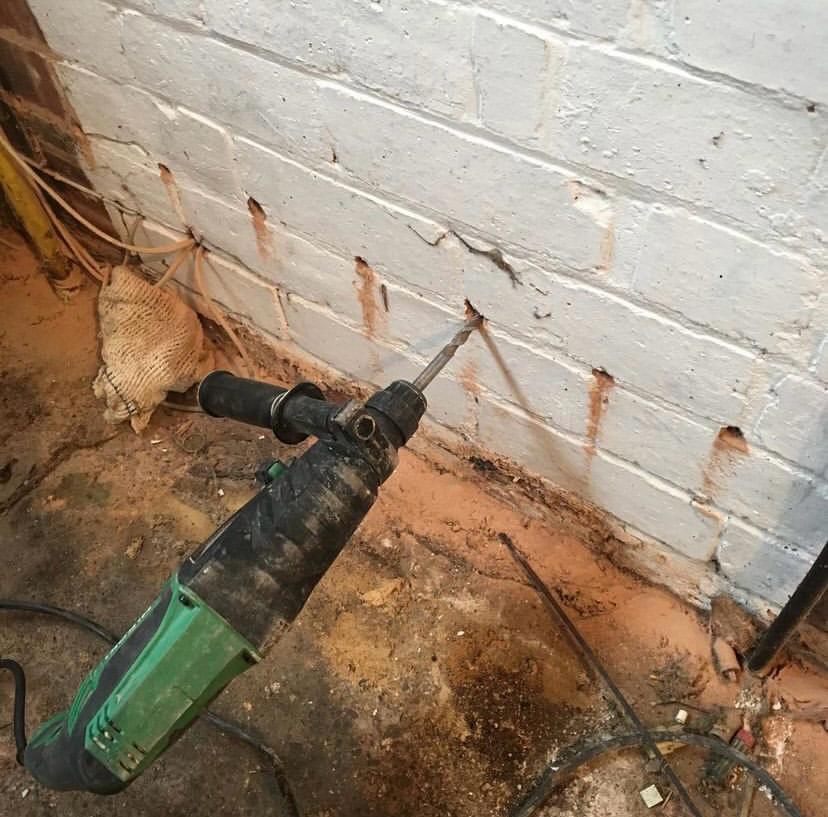
Low-level staining in a Cheshunt home should be considered alongside the damp-proof course, floor level and any raised paving or soil outside. A bridged course or another source of water can produce similar symptoms, so the diagnosis should not be based on height alone.
Penetrating Damp
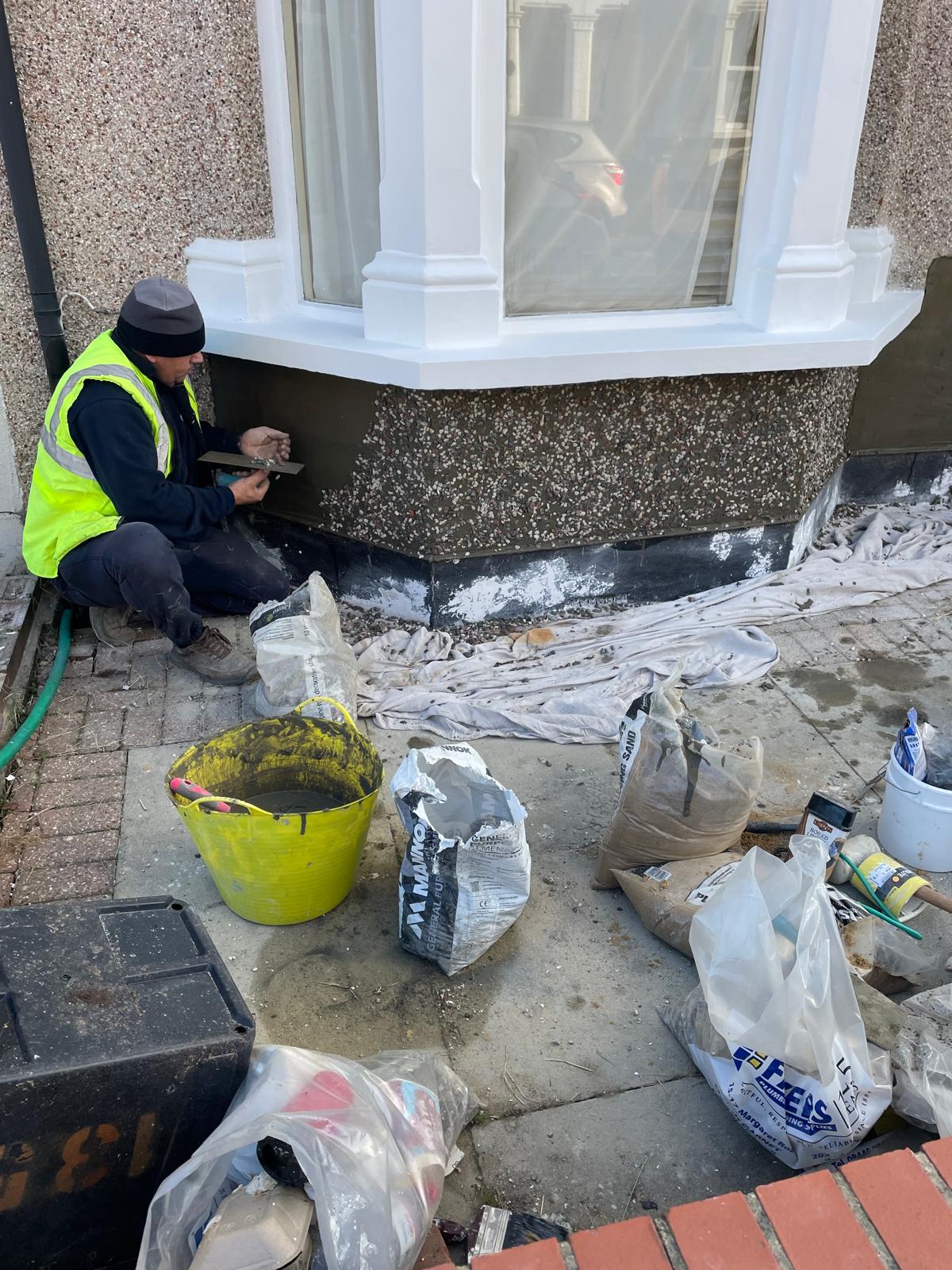
Water can enter through damaged pointing, cracked render, defective roof junctions or overflowing rainwater goods. On exposed elevations, even a small defect can create a persistent internal mark; checking the outside of the affected wall is an important step.
Condensation & Ventilation
Condensation is common where moist air cannot escape and settles on colder surfaces. Window corners, bedrooms with restricted airflow and bathrooms after showering can be vulnerable. Ventilation and moisture habits should be considered before specifying structural treatment.
Moisture Around Windows
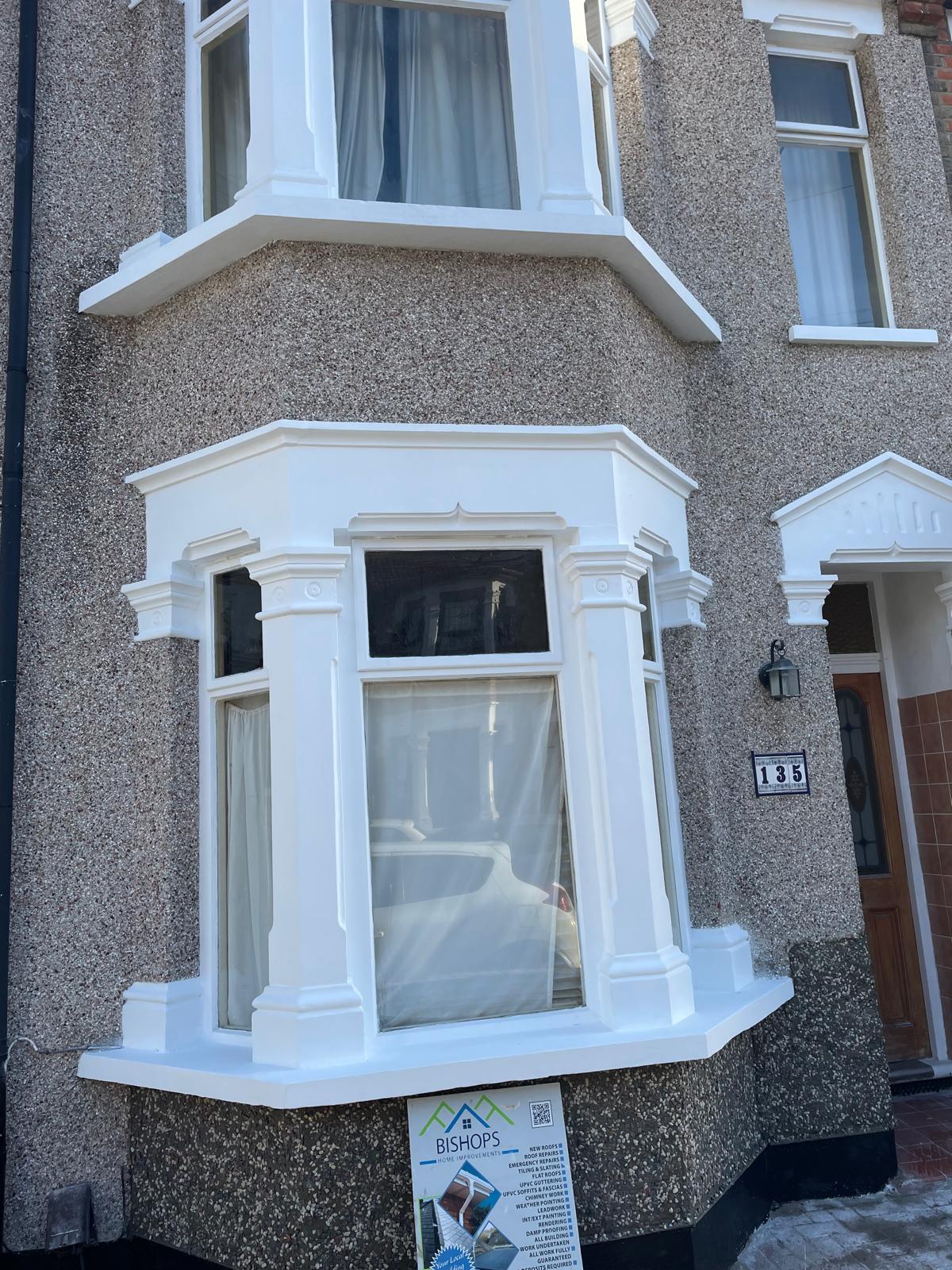
If staining is concentrated around a window, check the sill, frame seals and surrounding masonry as well as the room's ventilation. Water penetration after rain and condensation during cold weather can look similar but call for different responses.
Damaged Plaster & Finishes
Plaster may become hollow, powdery or discoloured after repeated moisture exposure. Repairing it too early can trap the problem beneath new finishes, so the moisture source and drying period should be considered first.
Damp Proofing Measures
The appropriate work may be an external repair, improved rainwater drainage, a change to ventilation, localised plaster replacement or a damp-proofing system where evidence supports it. A blanket treatment is rarely the best starting point.