Damp Proofing & Moisture Control

Damp Proofing in Cheshunt

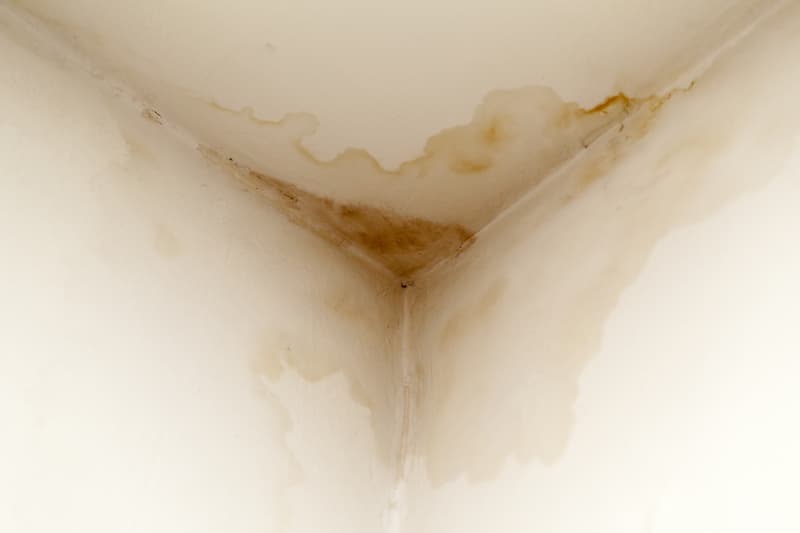
In Cheshunt, damp can show up in a variety of places, from lower walls in older parts of the town to window reveals and colder corners in more modern homes. The visible mark is only the starting point: the wall construction, external maintenance and conditions inside the room all help determine what is happening.

A useful assessment considers the pattern of staining, condition of external finishes and gutters, possible leaks and indoor humidity rather than assuming one treatment fits every case.

Damp proofing and moisture control services in Cheshunt
Practical AdviceCause-Led ApproachLocal Home ImprovementsFree Quote Enquiries

Identify the Cause Before Choosing a Treatment

Damp is a description of a moisture problem, not a diagnosis on its own. The right repair depends on where the water is coming from, how it is entering the building and what condition the surrounding materials are in.

Rising Damp

Low-level staining in a Cheshunt home should be considered alongside the damp-proof course, floor level and any raised paving or soil outside. A bridged course or another source of water can produce similar symptoms, so the diagnosis should not be based on height alone.

Penetrating Damp

Water can enter through damaged pointing, cracked render, defective roof junctions or overflowing rainwater goods. On exposed elevations, even a small defect can create a persistent internal mark; checking the outside of the affected wall is an important step.

Condensation & Ventilation

Condensation is common where moist air cannot escape and settles on colder surfaces. Window corners, bedrooms with restricted airflow and bathrooms after showering can be vulnerable. Ventilation and moisture habits should be considered before specifying structural treatment.

Moisture Around Windows

If staining is concentrated around a window, check the sill, frame seals and surrounding masonry as well as the room's ventilation. Water penetration after rain and condensation during cold weather can look similar but call for different responses.

Damaged Plaster & Finishes

Plaster may become hollow, powdery or discoloured after repeated moisture exposure. Repairing it too early can trap the problem beneath new finishes, so the moisture source and drying period should be considered first.

Damp Proofing Measures

The appropriate work may be an external repair, improved rainwater drainage, a change to ventilation, localised plaster replacement or a damp-proofing system where evidence supports it. A blanket treatment is rarely the best starting point.


What We Look At

We consider whether the affected wall is external or internal, the height and shape of the staining, nearby pipework, gutter outlets, external ground levels and signs of condensation. These details help narrow down the likely source in a Cheshunt property.

  • Where damp marks appear and how far they extend
  • Whether staining is concentrated near the floor, around openings or on external walls
  • The condition of pointing, render, gutters and nearby external details
  • Signs that condensation or limited ventilation may be contributing
  • Whether plaster or other internal finishes need attention after the cause is addressed

Why diagnosis matters

Different moisture sources can leave similar marks. Correctly identifying the source helps avoid unnecessary damp-proofing work and ensures that repairs and redecoration are planned in the right order.

We aim to explain the options clearly so you can make an informed decision about the work your home actually requires.

Existing Damp Proofing Photos

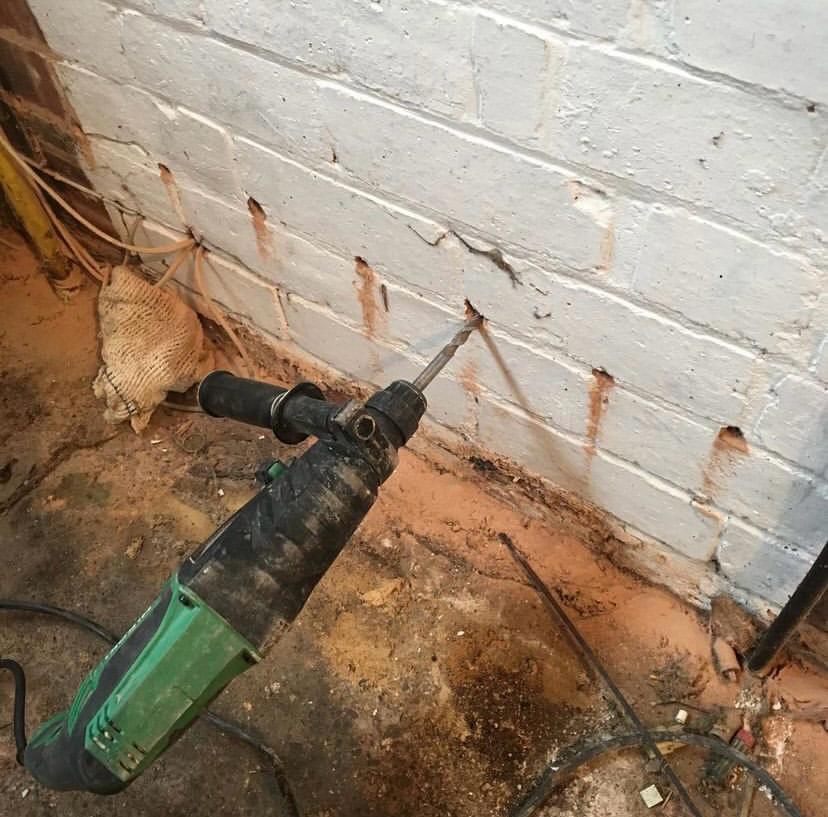
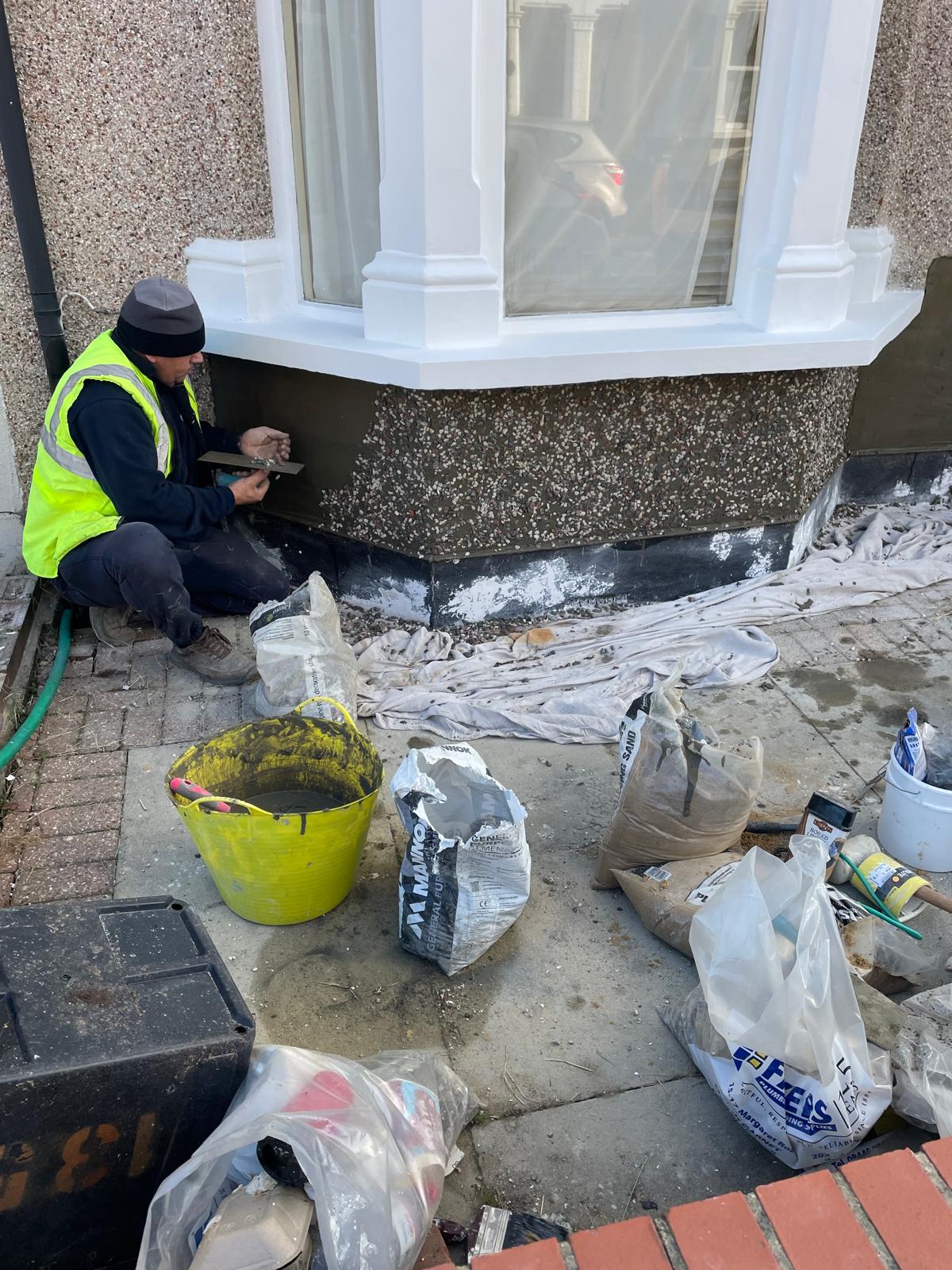
These photographs from the original page have been retained as examples of damp-related work and the affected area around a bay window.

Damp proofing work on a residential propertyDamp proofing project photograph

Bay Window Damp: Before and After

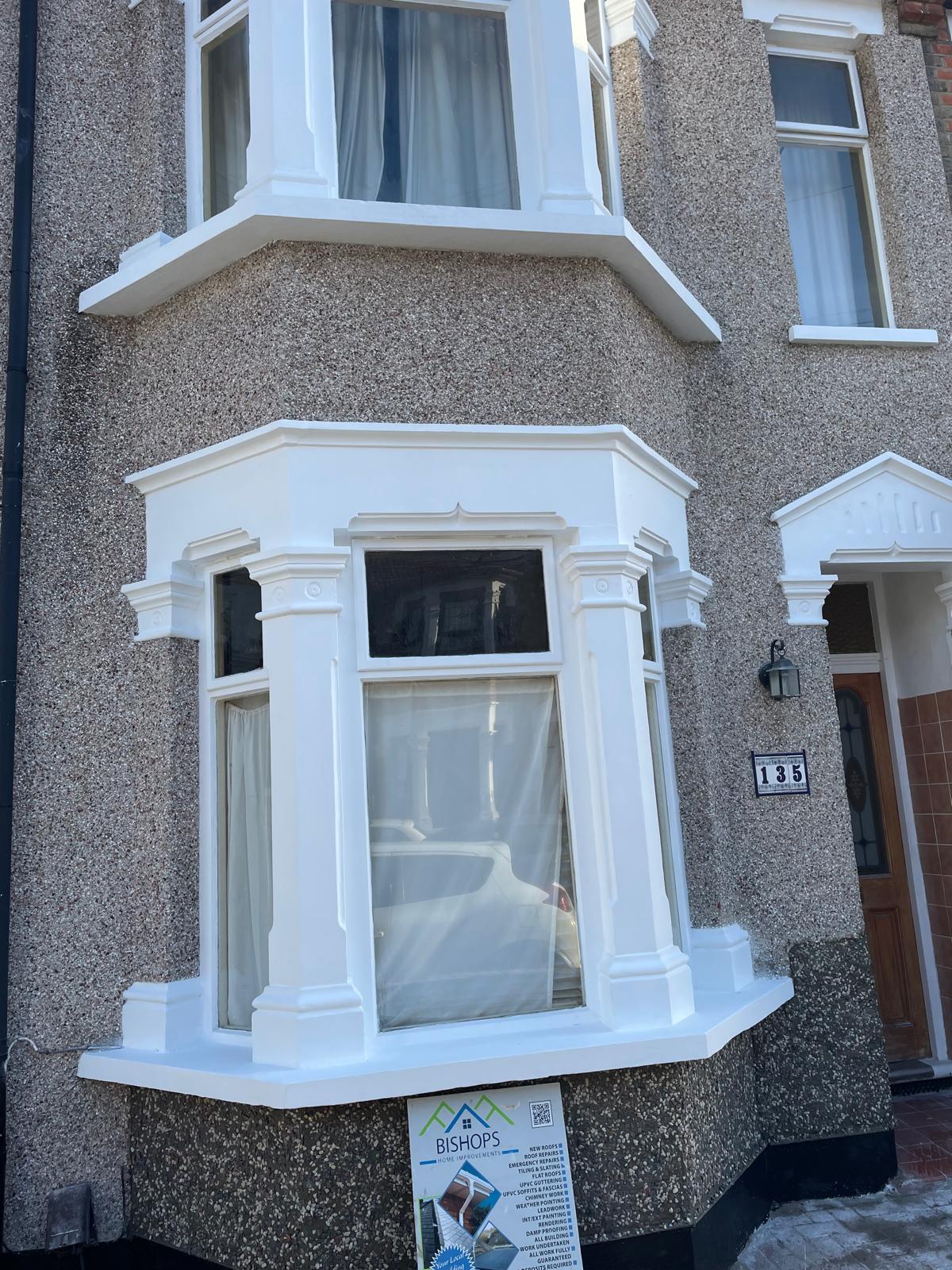
The original before-and-after photographs are shown below. They relate to dampness that was affecting the area beneath a bay window.

Bay window area before damp-related remedial work
Before
Bay window area after damp-related remedial work
After

A Clear, Practical Process

Every property is different, but the aim is always to understand the problem and agree sensible next steps.

1. Discuss the symptoms

Tell us where you have noticed damp, when it appears and whether you have seen any changes to the walls, plaster or external areas.

2. Assess likely causes

Review the affected areas and relevant building details to help identify likely sources and whether further investigation is needed.

3. Agree the work

Discuss appropriate remedial options and a quote before deciding how to proceed. The recommended work should fit the cause, not just the visible mark.

Helpful Damp Proofing Information

For further context, the original page’s video content is retained below.

Damp Proofing FAQs

Answers to common questions about damp and moisture problems in homes.

What are common signs of damp?

Possible signs include damp patches, peeling or blistering paint, salt deposits, damaged plaster, mould growth and persistent musty smells. These symptoms can have several causes, so they should be assessed in context.

Does every damp problem need a new damp-proof course?

No. A damp-proof course is relevant to some rising-damp cases, but condensation, penetrating water, leaks and bridged courses require different approaches. The source should be investigated first.

Can condensation look like rising damp?

Moisture from condensation can cause staining and mould, and other defects can also affect the lower part of a wall. Appearance alone cannot reliably confirm rising damp.

Will damp marks disappear as soon as the cause is fixed?

Not necessarily. Masonry and plaster can take time to dry, and salt-contaminated or damaged finishes may need further attention once the moisture source has been addressed.

Do you cover the surrounding areas?

Cheshunt has a mix of housing types, so damp should be assessed against the individual building rather than a standard checklist alone. Nearby coverage includes Waltham Cross, Goffs Oak, Broxbourne and Wormley; ask us to confirm your postcode.

How do I arrange a quote?

Call 07301 800750 or use the free quote page to tell us about the damp problem and the property location.

Damp Proofing in Your Area

We work across a broad local area, including towns in the surrounding areas. Visit the areas page or choose one of the established local damp-proofing pages below.

Concerned About Damp in Your Home?

Talk to Bishop’s Home Improvements about the signs you have noticed and the options for investigating the cause. Contact us for practical advice and a free quote enquiry.